


When you hear the words pelvic floor, you might immediately think of Kegels or exercises designed to strengthen your muscles. But did you know your pelvic floor can actually be too tight?
Pelvic floor dysfunction doesn’t always mean your muscles are weak. Sometimes, the muscles are overly tense and have difficulty relaxing. And here’s where things get interesting: a tight pelvic floor and a weak pelvic floor can cause many of the same symptoms, regardless of gender.
Whether you’re experiencing bladder leakage, pelvic pain, constipation, or discomfort during sexual activity, understanding how your pelvic floor functions is an important first step toward finding the right care.
Let’s take a closer look at how your pelvic floor works, what happens when it’s too tight or too weak, and how pelvic floor physical therapy can help.
First, What Is Your Pelvic Floor?
Your pelvic floor is a group of muscles and connective tissues located at the bottom of your pelvis. These muscles extend from your pubic bone in the front to your tailbone in the back, forming a supportive structure that helps hold your pelvic organs in place.
While pelvic anatomy differs between individuals, everyone has a pelvic floor!
These muscles play several important roles in everyday life. They help you:
- Control bladder and bowel movements.
- Support pelvic organs, including the bladder and rectum.
- Maintain core stability and posture.
- Coordinate with your breathing and abdominal muscles.
- Support sexual function.
- Manage changes in abdominal pressure during movement and exercise.
Like any other muscle group in your body, your pelvic floor needs to be able to contract, relax, and respond appropriately to the demands placed on it.
And that’s where the difference between a tight and weak pelvic floor comes into play.
What Is a Tight Pelvic Floor?
A tight pelvic floor, sometimes called a hypertonic pelvic floor, occurs when the muscles remain overly tense or have difficulty relaxing when they need to.
Imagine constantly clenching your shoulders without realizing it. Over time, that tension can create discomfort, restrict movement, and make it difficult for your muscles to function properly.
The same thing can happen with your pelvic floor.
When these muscles are unable to fully relax, they may have difficulty lengthening during activities like urinating, having a bowel movement, or engaging in sexual activity.
Common signs of a tight pelvic floor include:
- Pain or discomfort during sexual activity.
- Difficulty starting or maintaining a urine stream.
- Feeling like you cannot completely empty your bladder.
- Urinary urgency or frequent trips to the bathroom.
- Constipation or straining during bowel movements.
- Pelvic pain, pressure, or discomfort.
- Pain in the hips, lower back, groin, or tailbone.
A tight pelvic floor can develop for several reasons, including chronic stress, habitual muscle clenching, previous injuries, surgery, prolonged sitting, or other sources of pelvic pain.
It’s important to remember that tight muscles aren’t necessarily strong muscles. A muscle that is constantly contracted may actually struggle to generate force when you need it.
What Is a Weak Pelvic Floor?
A weak pelvic floor occurs when the muscles have difficulty generating enough strength or maintaining the support and control needed to perform their everyday functions.
Think of these muscles as a supportive hammock. When they’re not providing adequate support, you may experience symptoms related to bladder control, bowel function, or pelvic organ support.
Common signs of a weak pelvic floor include:
- Leaking urine when coughing, sneezing, laughing, or exercising.
- Difficulty controlling gas or bowel movements.
- A feeling of heaviness or pressure in the pelvic area.
- Pelvic organ prolapse or symptoms associated with it.
- Reduced pelvic floor muscle strength or endurance.
- Difficulty coordinating pelvic floor contractions with movement or physical activity.
- Changes in sexual function or sensation.
Several factors can contribute to pelvic floor weakness, including pregnancy and childbirth, aging, hormonal changes, surgery, chronic straining, and changes in muscle function.
Pelvic floor weakness isn’t limited to people who have experienced pregnancy or childbirth. People of all genders, ages, and activity levels can experience pelvic floor dysfunction.
Tight vs. Weak Pelvic Floor: What Symptoms Should You Look For?
Although the underlying muscle issues are different, the symptoms can overlap. Both tight and weak pelvic floor muscles can contribute to bladder, bowel, and sexual health concerns.
Some symptoms may also present differently depending on an individual’s anatomy.
For people with female anatomy, common symptoms may include:
- Urine leakage during exercise, coughing, sneezing, or laughing.
- Vaginal or pelvic pressure or heaviness.
- Pain during intercourse or difficulty with vaginal penetration.
- Difficulty emptying the bladder or bowel.
- Pelvic discomfort or tension.
For people with male anatomy, common symptoms may include:
- Urine leakage or difficulty controlling urinary flow.
- Difficulty starting or maintaining a urine stream.
- Feeling like the bladder hasn’t completely emptied.
- Pelvic, groin, testicular, or perineal pain.
- Pain during or after ejaculation.
- Difficulty controlling gas or bowel movements.
- Pelvic discomfort following prostate surgery or other pelvic procedures.
These are examples, not symptoms exclusive to one gender. Many pelvic floor concerns can affect people regardless of anatomy.
Here’s a quick comparison of tight versus weak pelvic floor function:
| Tight Pelvic Floor | Weak Pelvic Floor |
| Muscles have difficulty relaxing | Muscles struggle to generate adequate force |
| May cause pelvic or sexual pain | May contribute to reduced pelvic support |
| Can contribute to constipation | Can contribute to bowel control difficulties |
| May cause urinary urgency or difficulty emptying | May cause urine leakage |
| Often involves excessive muscle tension | Often involves reduced strength or endurance |
| May benefit from relaxation and coordination exercises | May benefit from individualized strengthening and coordination exercises |
Here’s the important part: You cannot always determine whether your pelvic floor is tight or weak based on symptoms alone.
In fact, some people experience both!
A pelvic floor can be overly tense while also lacking the strength and coordination needed to function properly. This is why an individualized assessment is so important.
Can You Have a Tight AND Weak Pelvic Floor?
Yes! This is one of the biggest misconceptions about pelvic floor health.
Muscles can be tight and still be weak.
When pelvic floor muscles remain in a shortened or contracted position for extended periods, they may lose their ability to move through their full range of motion. This can make it difficult to contract effectively when needed.
Think about making a fist and holding it tightly for several minutes. Eventually, your hand may feel tired, and you may struggle to squeeze as effectively.
Your pelvic floor can experience a similar challenge.
This is why simply doing more Kegels isn’t always the answer. If your pelvic floor is already overly tense, additional strengthening exercises may aggravate symptoms.
The goal isn’t simply to make your pelvic floor stronger. It’s to help your muscles develop the strength, flexibility, endurance, and coordination needed to function properly.
How Can Pelvic Floor Physical Therapy Help?
So, how do you know whether your pelvic floor is tight, weak, or experiencing a combination of both?
That’s where pelvic floor physical therapy comes in.
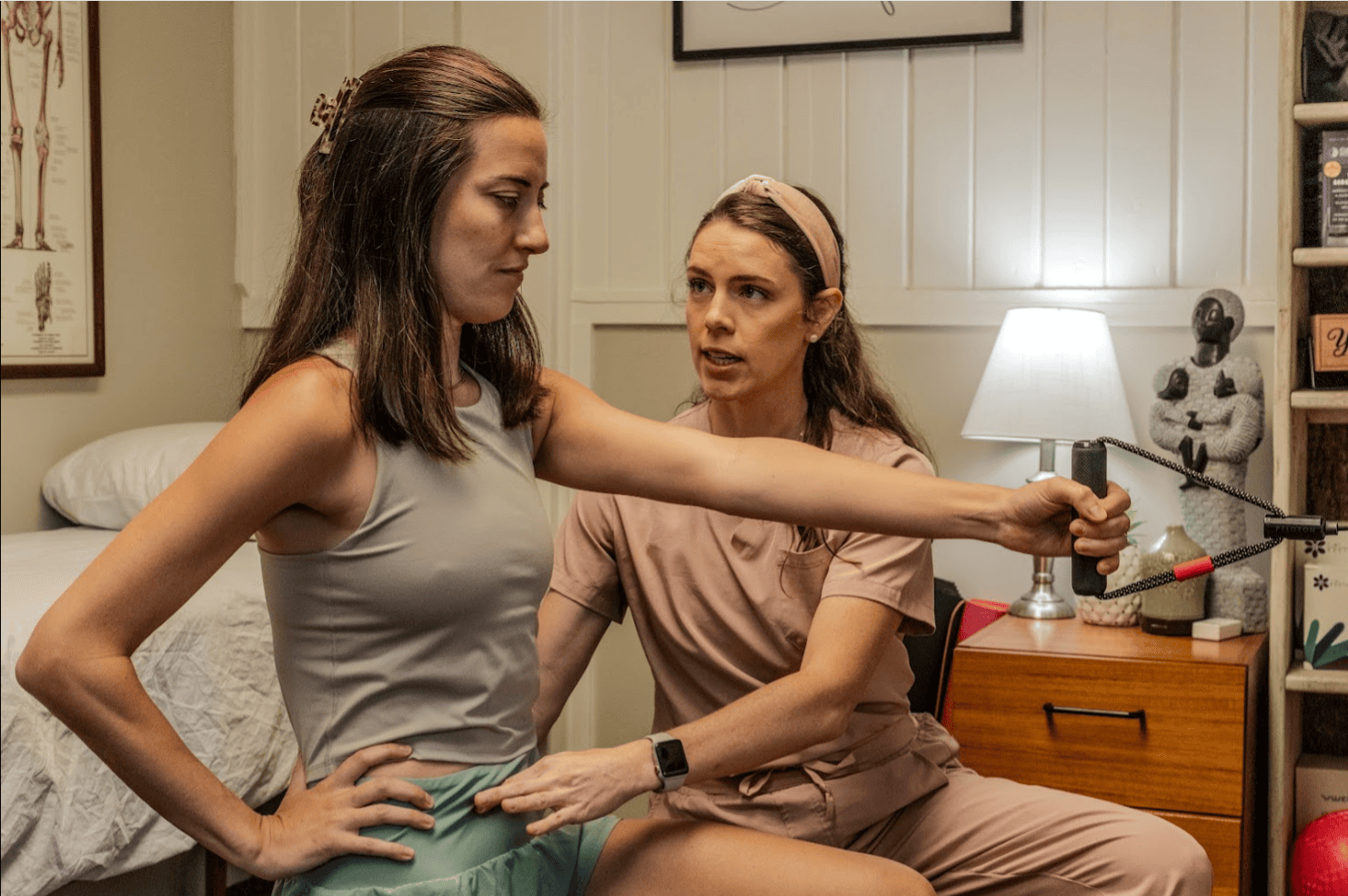
A pelvic floor physical therapist can evaluate how your muscles function, including their strength, flexibility, coordination, and ability to contract and relax.
Based on your symptoms and individual goals, your treatment plan may include:
- Relaxation techniques: Learning how to release unnecessary muscle tension and improve pelvic floor relaxation.
- Breathing exercises: Understanding how your diaphragm and pelvic floor work together to support healthy muscle function.
- Strengthening exercises: Building pelvic floor strength and endurance when appropriate.
- Core coordination: Improving how your abdominal muscles, hips, and pelvic floor work together.
- Movement education: Learning how to coordinate your pelvic floor during everyday activities, exercise, and lifting.
- Manual therapy: When appropriate, hands-on techniques to address muscle tension and discomfort.
Every person’s body and pelvic health needs are different. That’s why treatment should be based on an individualized evaluation rather than a one-size-fits-all exercise routine.
Your Pelvic Floor Deserves More Than Kegels
Pelvic floor health is about more than strengthening your muscles. It’s about helping them work the way they’re designed to: contracting when needed, relaxing when needed, and coordinating with the rest of your body.
Whether you’re experiencing bladder leakage, pelvic pain, painful intercourse, difficulty emptying your bladder, or a feeling of heaviness, you don’t have to assume these symptoms are simply a normal part of aging, physical activity, or life after surgery.
And you certainly don’t have to figure it out on your own.
Ready to better understand your pelvic floor?
At Poised Pelvic Society, we believe everyone deserves individualized care and the opportunity to feel confident in their body. Dr. Britta takes a personalized approach to pelvic floor physical therapy, helping patients understand their symptoms and work toward their individual health goals.
Not sure where to start? Schedule a free discovery call with Poised Pelvic Society to discuss your concerns, ask questions, and learn how pelvic floor physical therapy may support your goals.
Your pelvic health matters. Let’s start talking about it!


